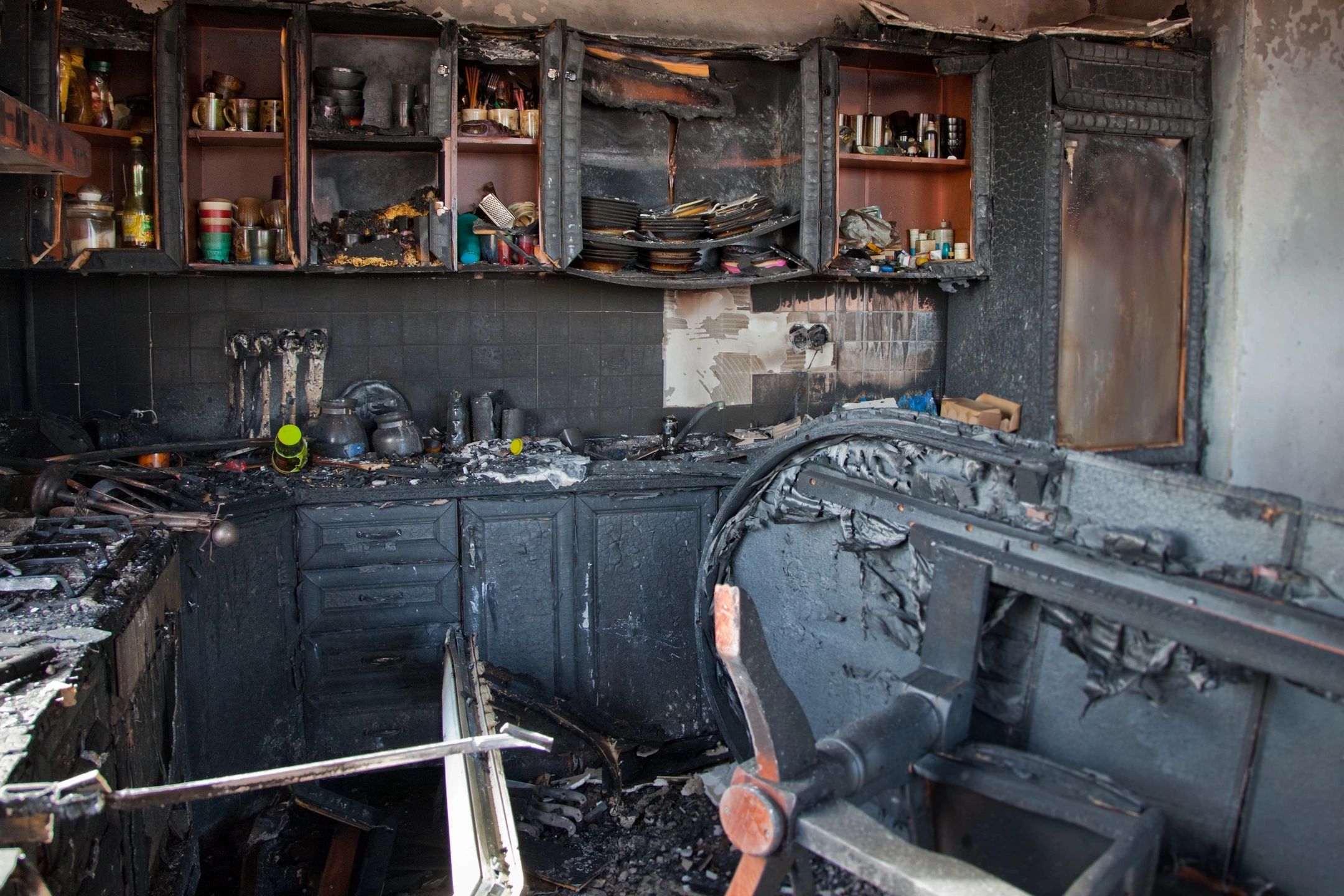
After a fire, water loss, or storm event, the insurance company will often recommend a “preferred vendor” to handle your mitigation, cleaning, or repairs. They may even present it as mandatory:
“We already dispatched our team.”
“They’ll take care of everything.”
“Using our vendor helps the claim move faster.”
“This is who we trust.”
But here’s the truth:
Insurance company preferred vendors often work in the insurance company’s favor, not yours.
Their job is to control the cost of the claim, not to maximize the quality of restoration or the accuracy of documentation.
Hiring the wrong vendor early can cost you tens of thousands of dollars and can permanently limit your ability to dispute the claim later.
Preferred Vendors Serve the Insurance Company’s Interests, Not Yours
Insurance carriers select preferred vendors for one main reason: Cost Control.
Preferred vendors are measured by:
How low they keep the carrier’s claim costs
How fast they close files
How little they push back on the adjuster’s scope
How often they say “this can be cleaned” instead of “this must be replaced”
When a vendor’s paycheck depends on keeping the carrier happy, the property owner is no longer the priority.
The Risks of Using a Preferred Vendor
Property owners rarely know how much they undermine their claim by allowing the insurance company to control the vendors.
1. Under-Documentation of Damage
Preferred vendors often take minimal photos and avoid capturing the full extent of smoke, soot, water, or structural damage because more damage = higher claim cost.
This creates evidence gaps that the carrier later uses to deny coverage.
2. Cleaning When Items Should Be Replaced
To reduce payouts, preferred vendors frequently claim:
Smoke-damaged items are “cleanable.”
HVAC contamination just “needs deodorizing.”
Structural components only need “wiping.”
Electronics with soot exposure are “fine.”
Replacing items is expensive. Cleaning is cheap.
Their job is to keep the claim cheap.
3. No Advocacy for Hidden Damage
Preferred vendors rarely push for:
Attic and crawlspace smoke testing
Moisture mapping inside walls
Structural evaluations
HVAC swab testing
Lab-verified soot analysis (TPA/COC testing)
Inventory of personal property
Code upgrades or hazardous material abatement
If the vendor doesn’t document it, the insurer will argue it doesn’t exist.
4. They Create Repair Plans That Favor the Carrier
Many carriers pressure vendors to write scopes that support the insurance company’s initial estimate—even when the real damage is far more extensive.
This makes it nearly impossible for the homeowner to demand a full, accurate repair later.
5. They Can Damage Evidence Needed for the Claim
Preferred vendors often begin demo or cleaning immediately.
This destroys critical fire investigation evidence, including:
Burn patterns
Smoke trails
Electrical failures
Moisture intrusion paths
Structural heat damage
Once evidence is gone, the carrier can deny related coverage.
6. You Could Be Left Owing the Vendor Directly
If the insurance company disputes the vendor’s invoice, the preferred vendor may pursue you—the homeowner—for payment.
Many homeowners falsely believe:
“If the insurance company sent them, they must pay them.”
Not true.
You signed the work authorization. You’re financially responsible.
How This Hurts Your Claim
Hiring the preferred vendor often leads to:
Lower repair estimates
Missed damage
Denied supplements
Improper repairs
Underpaid personal property claims
Reduced ALE (Additional Living Expenses)
Disputes over mitigation invoices
Months of delays
Loss of negotiating leverage
Evidence problems
Future mold or structural issues
Once the vendor under-documents the loss, it becomes extremely difficult even for a public adjuster or law firm to reverse the damage.
Who Should You Hire Instead?
The policyholder has the legal right to hire their own:
Mitigation company
Contents company
General contractor
Industrial hygienist
Public adjuster
Attorney
A properly documented claim requires vendors who work for you not the insurer.
Independent vendors:
Take full photos and video
Perform comprehensive testing
Create accurate scopes of work
Identify hidden damage
Protect evidence
Challenge the carrier’s assumptions
Support your claim, not weaken it
This dramatically increases the likelihood of a fair, fully compensable settlement.
Why Early Representation Matters
When Baxter Law Firm gets involved early:
We oversee the vendors
We ensure proper documentation
We keep the carrier from controlling the narrative
We prevent scope manipulation
We protect evidence
We make sure the claim is built correctly from day one
Fire and property claims are won or lost in the first 72 hours.
Once you hire the preferred vendor, their documentation becomes the insurance company’s version of the truth and that version is rarely in your favor.
You Only Get One Chance to Document Your Loss Correctly
A fire or water loss is traumatic enough.
Don’t let the insurance company dictate the vendors, control the scope, and minimize your recovery.
You deserve professionals who represent you, protect your home, and ensure the claim is paid accurately and fully.
We Stand With the Insured
If you’ve experienced a property loss, call us before hiring anyone affiliated with the insurance company.
We’ll guide you through the next steps, protect your rights, and ensure your claim is built on truth not shortcuts.
Speak with our team today.
Your home. Your rights. Your recovery. We are here to help.